
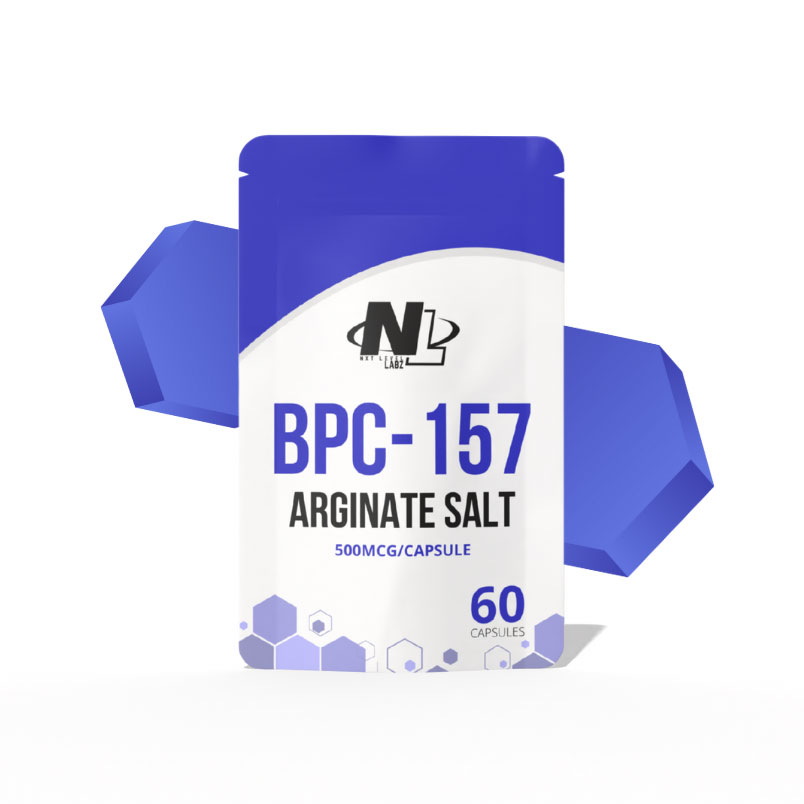
Disclaimer: This guide does not imply or recommend any use. The content serves scientific, educational, and research purposes only. UK regulators do not approve BPC-157 for human or veterinary use. Only qualified staff in licensed labs may handle it. BPC 157 UK
🔬 What is BPC-157
BPC-157 is a synthetic peptide made of 15 amino acids. It is based on a short sequence from a protein fragment called Body Protection Compound that was first identified in gastric juice. In the literature it is also called BPC 157 or pentadecapeptide BPC, and in the context of BPC 157 UK it is treated as a research peptide rather than a medicine.
If you are researching BPC 157 this overview explains key points in clear language. Some suppliers list formats like powders or solutions, and you may also see BPC 157 capsules. Always confirm research-only status on the product page.
🧭 Research Considerations (Non-Usage Based)
Ongoing research into BPC-157 focuses on:
-
Tissue repair markers and collagen formation
-
Tendon and ligament metrics for load and recovery
-
Gastrointestinal lining protection markers
-
Inflammation panels and oxidative balance
All research must take place in a licensed laboratory and comply with UK regulations, including MHRA guidance and Controlled Substances rules.
🧪 Why Third-Party Testing Matters
Independent testing helps confirm identity and stated purity. Choose a supplier that uses reputable external laboratories and displays reports.
Companies that invest in and publish third-party lab testing show transparency and a commitment to delivering consistent research products. Ask for basic documentation and a contact route to the testing lab for technical questions if needed.
📦 Packaging, Labels, and Basic Handling
Before you store the material, run a quick check against basic handling standards. The points below help keep the compound stable and easy to work with in a lab setting.
Look for:
-
Clear labels with the compound name and chemical information
-
Proper storage in a cool, dry area away from direct sunlight
-
The product kept in its original, sealed container
-
Avoidance of heat sources or temperature swings
-
A cupboard or drawer with a stable room temperature is ideal.
Ensuring these steps help keep research material stable and aid in preserving shelf life for the longest possible time.
✅ Supplier Checklist for BPC 157 UK
Choosing a supplier for bpc 157 uk requires clear, transparent signals. Look for research-only framing and proof of independent testing, then check basics like identity, storage, dispatch, and support. Use the quick checklist below before placing a research order.
A reliable supplier should:
-
State research-only use and publish clear policies
-
Provide third-party testing
-
Show clear identity and storage notes on the product page
-
List UK dispatch details with realistic timeframes displayed
-
Display a physical address and a working support email
-
Publish shipping and returns terms suited to research purchasing
🔗 Next Steps
If you are considering BPC 157 for lawful UK research, start with a quick due diligence check. The key points below will help you confirm you are purchasing from a reputable and reliable company.
-
Review the supplier’s documentation
-
Confirm independent testing verification
-
Check storage instructions and contact details
These steps ensure transparency, compliance, and scientific integrity.
If anything is unclear, the best practice is to contact the seller for clarification before purchase.
BPC 157 UK product information
⚠ Disclaimer
This guide does not imply or recommend any use. The information serves scientific, educational, and research purposes only. BPC 157 UK is not approved for human consumption or self-administration in the United Kingdom. It must only be used by qualified professionals within licensed research environments, and in compliance with applicable UK laws and regulations.
